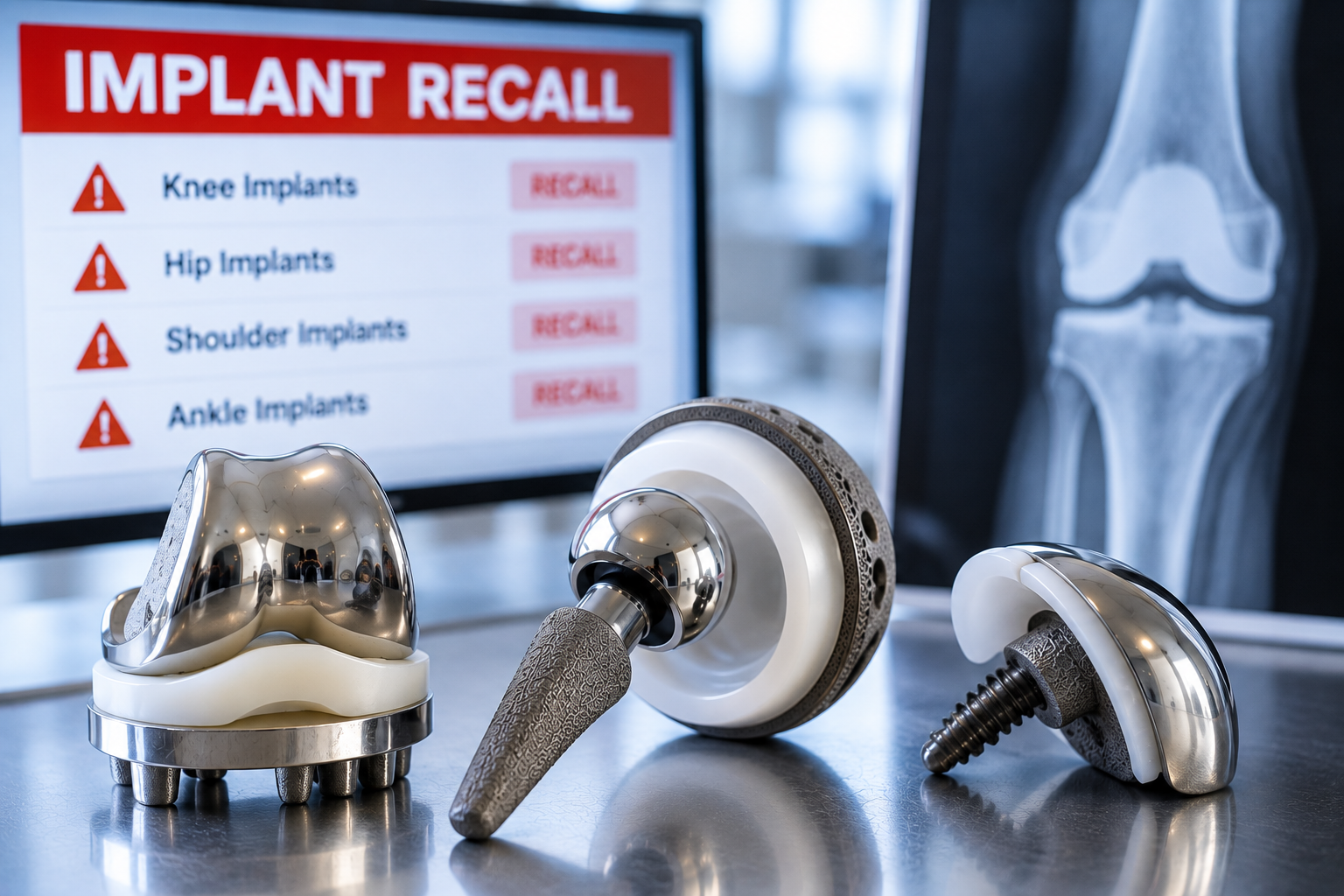
Recent recalls from Exactech and Zimmer Biomet raise a bigger question: how quickly can we recognize the scope of a problem once an implant is already inside thousands of patients?
Most patients never think about an implant recall when they have a joint replacement. But once a device is implanted, it may remain in the body for decades. What happens when a safety problem is discovered years later, after thousands of patients have already received it?
That question has become increasingly relevant. A December 2025 Government Accountability Office (GAO) report found that the U.S. Food and Drug Administration (FDA) oversaw 3,934 medical device recalls from fiscal years 2020 through 2024. Orthopaedic devices were among the most frequently recalled specialties. Earlier research using the FDA recall database found that orthopaedic devices accounted for 11.8 to 21.5 percent of all Class I and II recalls between 2015 and 2019.
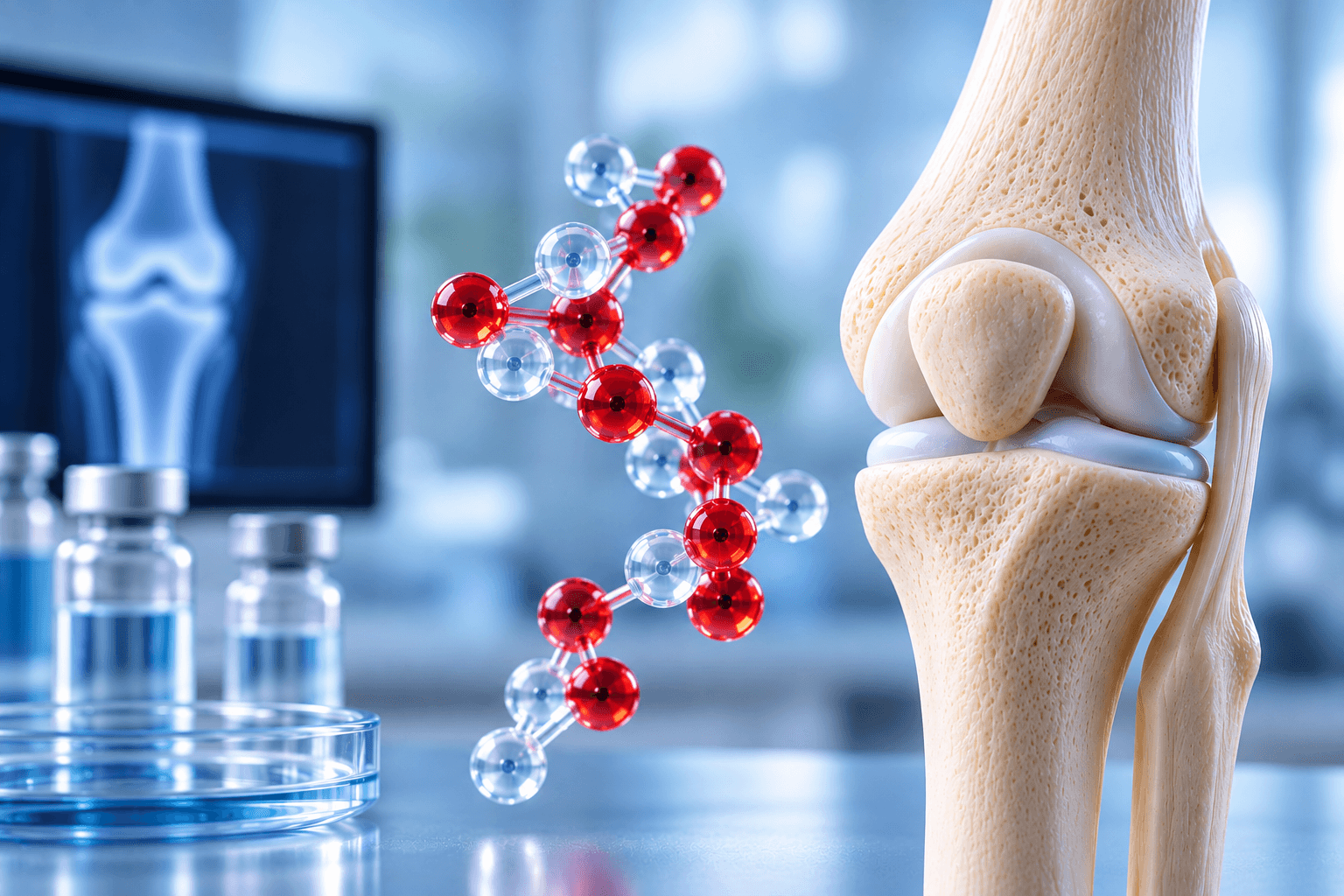
The Exactech recall shows how a small manufacturing problem can become a very large clinical one. Beginning in 2021, the company recalled many knee, hip, and ankle implants because polyethylene components had been packaged in bags missing an important oxygen barrier. Exposure to oxygen can cause polyethylene, the plastic bearing surface used in many joint replacements, to break down faster than expected. That can lead to excessive wear, bone loss, component failure, and ultimately revision surgery. The recall later expanded to affected shoulder components.
For a patient who feels well, however, a recall does not automatically mean another operation. The FDA has recommended monitoring patients with well-functioning Exactech implants rather than routinely removing them. That distinction can be difficult to communicate when a patient sees the word “recall” associated with a device already inside the body.
Zimmer Biomet’s CPT Hip System raised a different concern. In 2024, the company recalled the device to update its instructions after data showed a higher rate of postoperative periprosthetic femoral fracture, meaning a fracture of the thigh bone around the hip implant. The reported rate was about 1.4 percent, compared with roughly 0.6 to 1 percent for similar stems. Zimmer Biomet planned to stop selling the device by the end of 2024, while the FDA expressed concern about continued implantation during the phase-out period.
The bigger issue is how these devices reach the market and how problems are detected afterward. Many orthopaedic implants are cleared through the FDA’s 510(k) pathway. Rather than requiring a new clinical trial for every device, the pathway allows a manufacturer to show that a new device is substantially equivalent to one already on the market. A recent study of high-risk orthopaedic recalls found that most recalled devices in its sample had entered the market through this pathway. It also found delays between early reports of problems and formal recalls, particularly for joint replacement devices.
That does not mean the 510(k) pathway is inherently unsafe, or that a rising number of recalls proves implants are getting worse. We implant more devices than ever, and better registries and surveillance may identify problems that previously would have gone unnoticed. But the GAO also reported that limited FDA staffing has made it harder for the agency to oversee and close recalls promptly. That combination deserves attention.
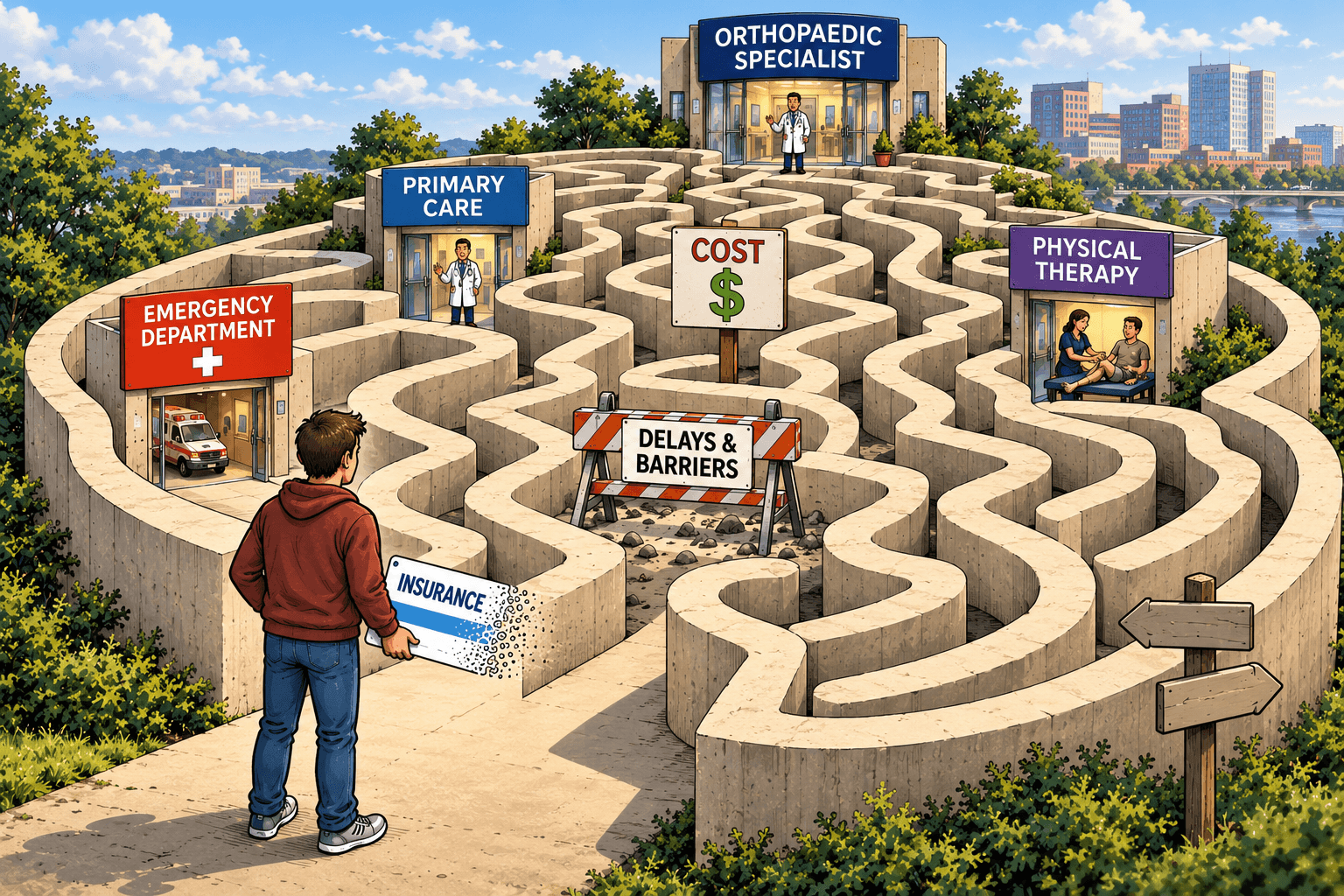
For surgeons, this is not simply a regulatory debate. When a recall occurs, someone has to determine which patients received the implant, contact them, decide who needs imaging or closer follow-up, and explain what the recall actually means. Patients may hear about the problem on television or online before their surgeon even knows they have seen the story. Collectively, we would benefit from easier access to timely recall information, both to recognize the scope of a problem and to connect a specific implant to the patients who received it.
Clinical Pearl
A recalled implant does not automatically need to be removed. For the Exactech and Zimmer Biomet recalls discussed here, the FDA recommends monitoring well-functioning implants and evaluating new or worsening symptoms rather than routinely revising asymptomatic patients.
Why It Matters
An implant may remain in a patient for decades, long after the operation itself is over. As implant volume grows, patients, surgeons, manufacturers, and regulators would all benefit from easier access to timely information that allows us to recognize the scope of a problem and identify which patients may be affected.
References
- U.S. Food and Drug Administration. Risks with Exactech Joint Replacement Devices with Defective Packaging: FDA Safety Communication. Issued March 23, 2023; updated August 5, 2024. Accessed September 13, 2026.
- U.S. Government Accountability Office. Medical Device Recalls: HHS and FDA Should Address Limitations in Oversight of Recall Process. GAO-26-107619. December 8, 2025. Accessed September 13, 2026.
- Vajapey SP, Li M. Medical device recalls in orthopedics: recent trends and areas for improvement. J Arthroplasty. 2020;35(8):2259-2266. doi:10.1016/j.arth.2020.03.025
- Gedik CC, Walker C, Bouloussa H, et al. Characterization and time-delay in issuing high-risk recalls of orthopaedic devices from 2002 to 2023. J Am Acad Orthop Surg. 2025;34(12):e1628-e1635. doi:10.5435/JAAOS-D-25-00947
- U.S. Food and Drug Administration. Zimmer Biomet CPT Hip System Femoral Stem and Increased Risk of Thigh Bone Fracture: FDA Safety Communication. Issued September 17, 2024; updated September 18, 2024. Accessed September 13, 2026.
About the Author
Benjamin Blitz is a M3 at Rutgers Robert Wood Johnson Medical School.