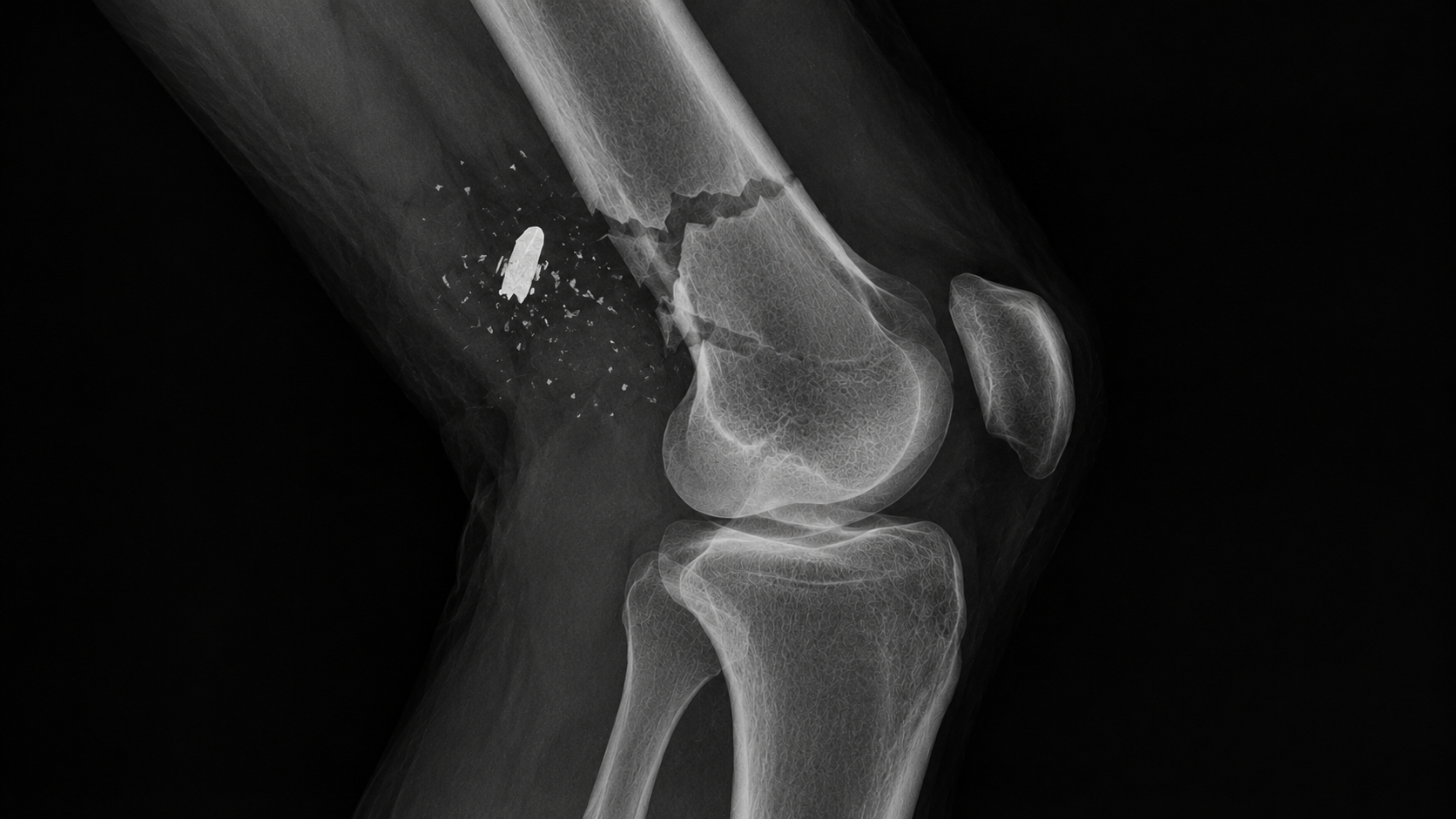
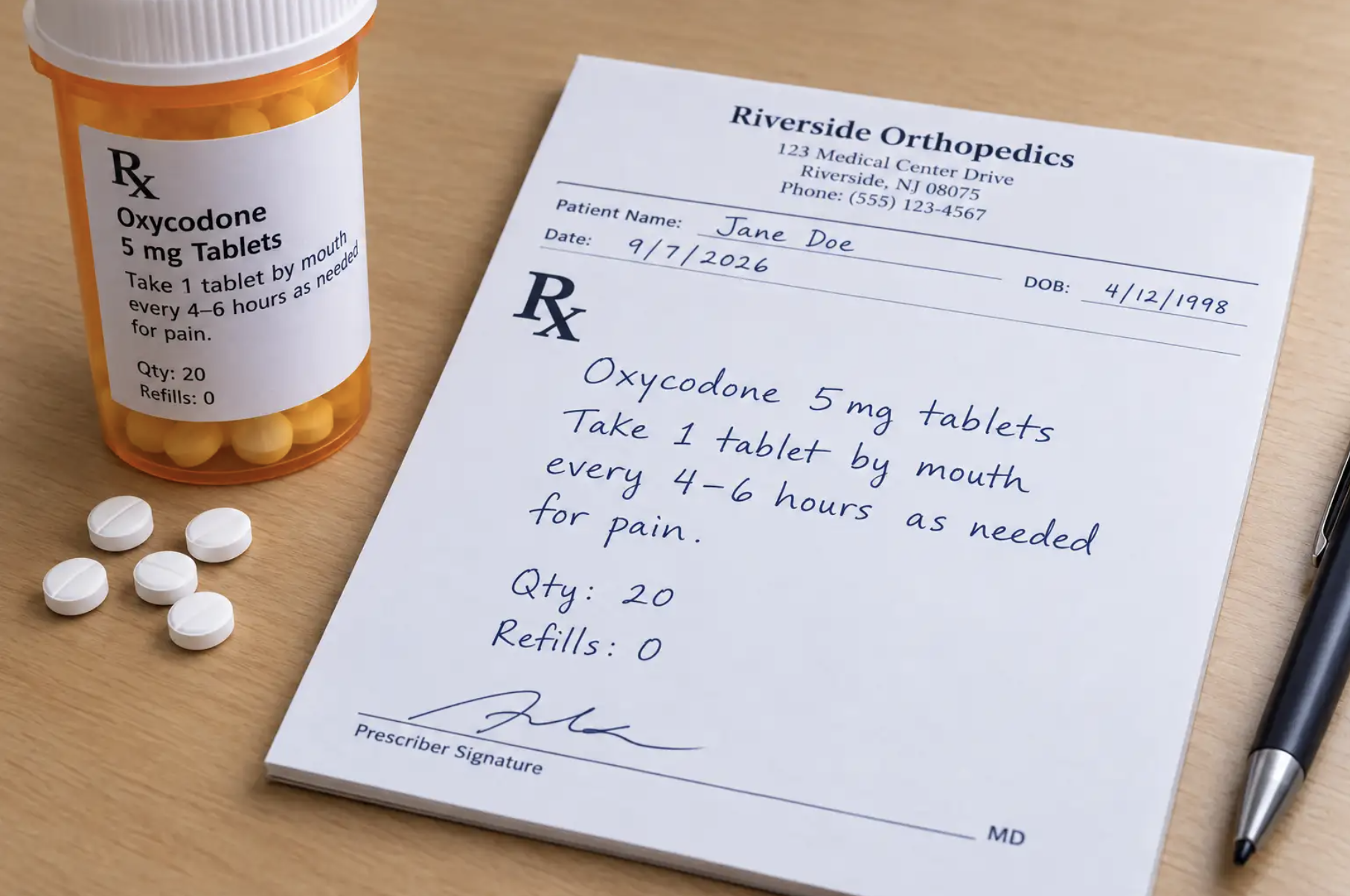
As the opioid epidemic continues to wreak havoc across the nation, orthopaedic surgeons and pain management physicians are reconsidering writing opioid prescriptions after surgery.
Despite national efforts to reduce opioid prescriptions across all medical specialties, a 2026 report in the Lancet found that over 70% of patients were discharged with opioid prescriptions for pain control. Knowing that patients who have undergone orthopaedic surgery have higher odds of receiving an opioid prescription, are there any recent changes in pain management among orthopaedic surgeons?
Prescription Trends
While opioid prescriptions have become expected following orthopaedic surgery, the number of prescriptions has greatly decreased since public acknowledgment of the opioid epidemic. Between January 2016 and December 2022, opioid prescriptions written by orthopaedic surgeons decreased from 301.7 to 184.9 per 100,000 people. However, some surgeries still have high rates of opioid prescriptions, particularly spine surgeries. While the field has made strides to change prescription practices, there is still work to be done.
Alternative Medication Regimens
Understanding the inherent risks of continued opioid prescribing, as well as the need to provide some form of analgesics for patients following orthopaedic surgery, surgeons have turned to other non-opioid forms to provide adequate relief. Non-steroidal anti-inflammatory drugs (NSAIDs) have been used as pain management for a host of orthopaedic conditions, from surgeries to minor sprains and strains. However, NSAIDs may play a larger role in post-operative pain management when trying to mitigate opioid use. A meta-analysis found that NSAID and gabapentinoid use were protective against postoperative opioid use. These medications were also found to reduce postoperative pain at rest and during movement, emphasizing their important role in postoperative pain management.
Another novel approach is a perioperative injection or an intravenous administration of a non-opioid analgesic like bupivacaine or NSAIDs, like meloxicam. Studies found that use of these medications were able to control patients’ pain and reduce both rescue opioid usage and overall opioid consumption following joint replacements.
Clinical Pearls:
Pain management is a unique process for each patient, but not every patient requires or wants an opioid prescription following orthopaedic surgery. Non-opioid analgesics should be the foundation of a multimodal pain management strategy. If, after a discussion with the patient, the physician concludes they would benefit from an opioid prescription, counseling on the risks of misuse and strategies for safe opioid use should be provided, with a discussion of a set duration of therapy and a goal for discontinuing opioids.
Why it matters:
The opioid epidemic is still a large problem in the United States. Unfortunately, orthopaedic surgeries are incredibly painful recovery processes that require creative pain management strategies to prevent over-dispensing and overuse of opioids.
References:
- Panayi A, Matar D, Schaschinger T et al. Post-discharge opioid prescribing after surgery in the United States: a population-based analysis of specialty variation and prescribing intensity. The Lancet Regional Health – Americas, 2026; 57 10.1016/j.lana.2026.101456
- Zhang J, Waljee JF, Nguyen TD, et al. Opioid Prescribing by US Surgeons, 2016-2022. JAMA Network Open2023;6(12):e2346426. doi:10.1001/jamanetworkopen.2023.46426
- Syed IM, Al-Rubaie S, Cohen D, Slawaska-Eng D, Al-Besher M, Khanna V. Non-Opioid Analgesics for Postoperative Pain Management Following Total Joint Arthroplasty: A Systematic Review and Meta-Analysis. J Arthroplasty. 2025;40(9):2432-2442. doi:10.1016/j.arth.2025.03.027
- Woelfle CA, Aastroem K, Shah RP, Neuwirth AL, Cooper HJ. A Novel Extended-Release Analgesic Without Periarticular Injection Provides Inferior Immediate Post-surgical Pain Relief in Total Hip and Knee Arthroplasty Patients. Arthroplast Today. 2025;33:101704. Published 2025 May 5. doi:10.1016/j.artd.2025.101704
- Geng X, Zhou S, Zhang X, et al. The Efficacy and Safety of Celecoxib for Pain Management After Total Knee Arthroplasty: A Systematic Review and Meta-Analysis of Randomized Controlled Trials. Front Surg. 2022;9:791513. Published 2022 Jan 28. doi:10.3389/fsurg.2022.791513
- Kellish A, Henry T, Rengifo S, Ramtin S, Ilyas AM. Evidence-Based Orthopaedic Post-Operative Opioid Prescribing Recommendations Following Orthopaedic Trauma Surgery. SurgiColl2023;1(2). doi:10.58616/001c.77748
About the Author
Dana Woodruff is a second-year medical student at Rutgers Robert Wood Johnson Medical School.